Is mold removal typically covered by homeowners’ insurance?
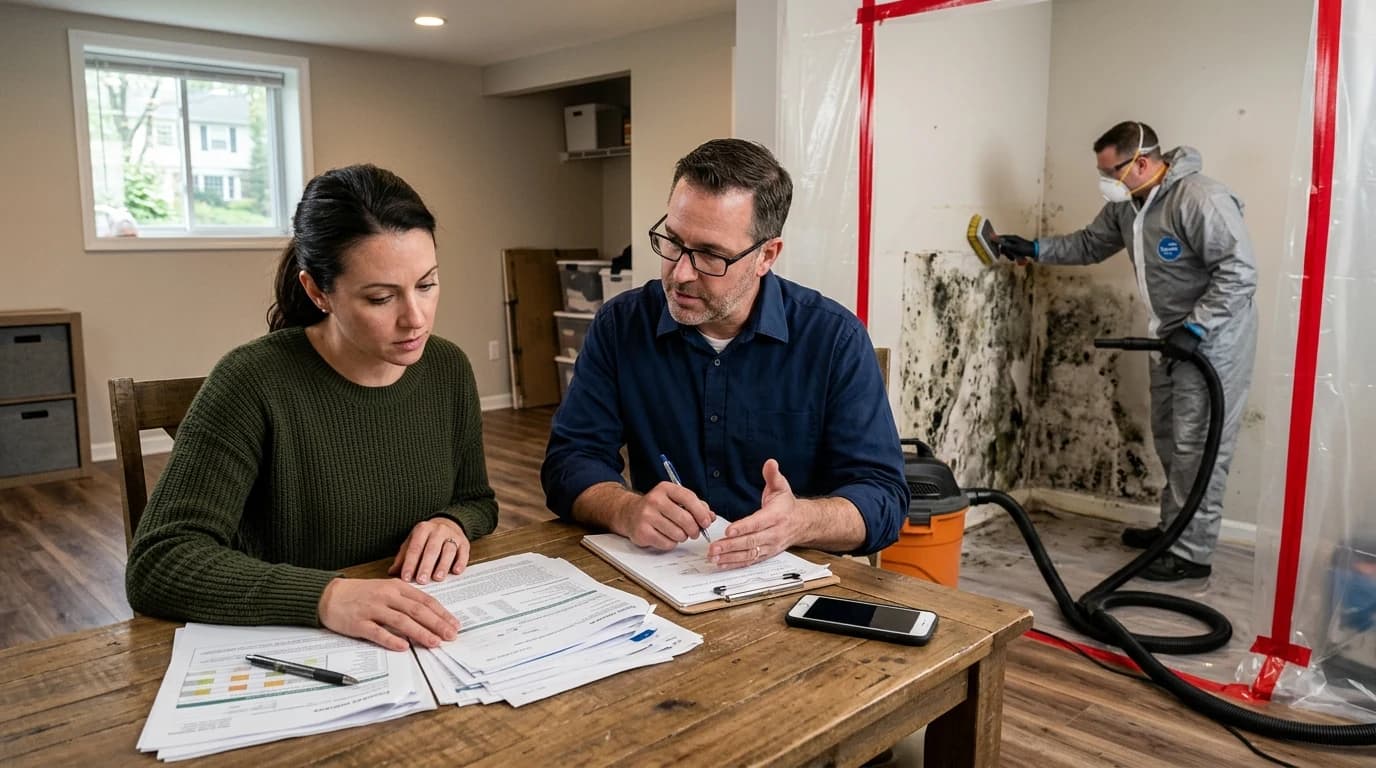
Homeowners' insurance policies vary significantly, but many cover mold removal if the mold is a direct result of a covered peril, such as water damage from a burst pipe or an appliance overflow. These are sudden and accidental incidents typically included in standard policies. However, mold resulting from neglect or long-term issues, like ongoing leaks or poor ventilation, is generally not covered because these are considered maintenance issues. For instance, if a leaky roof is left unrepaired, leading to mold growth, the insurance company may deny the claim due to lack of maintenance. It’s crucial to review your policy carefully and discuss with your insurance agent to understand what is included and excluded. Some insurers offer additional mold coverage as an optional endorsement, which could be worth considering if you live in a humid area like Haworth, where mold is more prevalent.
What steps should you take if you suspect mold?
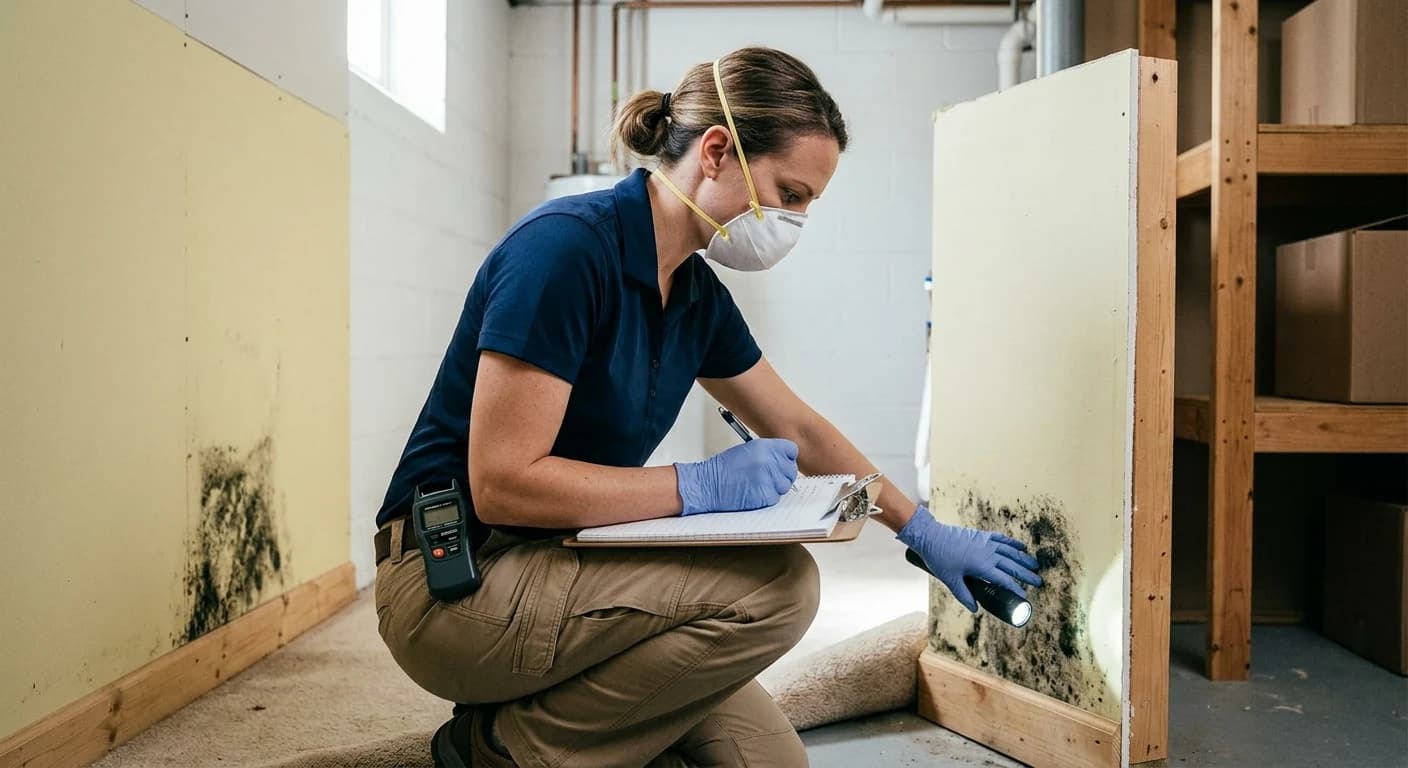
If you suspect mold in your home, it’s important to act promptly and systematically. Start by documenting any visible damage thoroughly with clear photos and detailed notes. This documentation will be crucial when reporting the issue to your insurance company. Promptly contact your insurer to report the potential mold problem and request an inspection. An insurance adjuster will typically assess the situation to determine if your policy covers the remediation costs. During this process, provide all your documentation and be prepared to discuss the history of the issue, including any previous repairs or water damage. Acting quickly is critical, as delays can lead to a denial of coverage, especially if the mold growth exacerbates due to inaction. For a reliable mold inspection, consider reaching out to us via our contact page. Our experts can provide a thorough assessment and guide you through the process of filing a claim.
How can you prevent future mold issues to ensure coverage?
Preventing future mold issues is essential not only for maintaining a healthy living environment but also for ensuring that your insurance coverage remains valid for potential claims. Start by maintaining proper home ventilation, especially in areas prone to moisture like bathrooms, kitchens, and basements. Use exhaust fans or dehumidifiers to reduce humidity levels. Address any water leaks immediately, whether they are from plumbing, roofs, or windows. Regular home maintenance and inspections are vital; schedule annual checks for your roof, plumbing, and HVAC systems to detect and resolve issues before they lead to mold. Keep records of all repairs and inspections as proof of regular upkeep. This documentation can be invaluable if you need to file an insurance claim in the future. Additionally, consider investing in a home humidity monitor to keep track of moisture levels, ensuring they stay below 50% to inhibit mold growth. By taking these preventative steps, you can protect your home from mold and maintain the integrity of your insurance coverage.
Understanding the Costs Associated with Mold Removal
Mold removal can be a costly endeavor, and understanding the potential expenses can help you plan accordingly. The cost of mold remediation varies widely depending on the extent of the infestation, the location of the mold, and the materials affected. On average, homeowners might spend between $500 to $6,000 for mold removal, but severe cases can exceed $10,000. Factors influencing cost include the size of the affected area, the type of mold, and the methods required for removal. For instance, black mold, known for its toxicity, often requires more intensive and costly remediation processes. Additionally, if mold has penetrated walls or flooring, structural repairs might be necessary, further increasing expenses. To manage these costs, it's advisable to obtain multiple quotes from certified mold remediation specialists. This not only ensures you get a fair price but also helps in selecting a reputable company. Some homeowners may consider DIY solutions for minor mold issues, but professional intervention is recommended for larger infestations to ensure complete removal and to prevent recurrence. Understanding these financial aspects can better prepare you for discussions with your insurer about coverage and potential out-of-pocket expenses.
Selecting the Right Mold Remediation Professional
Choosing the right mold remediation professional is crucial to effectively address mold issues and ensure a safe living environment. Start by researching local mold remediation companies and checking their credentials. Look for certifications from recognized organizations such as the Institute of Inspection, Cleaning and Restoration Certification (IICRC) or the National Organization of Remediators and Mold Inspectors (NORMI). These certifications indicate that the company follows industry standards and best practices. Additionally, read customer reviews and seek recommendations from friends or neighbors who have dealt with mold issues. When contacting potential professionals, inquire about their experience with similar mold problems, their approach to remediation, and the types of equipment and chemicals they use. A reputable company will conduct a thorough inspection and provide a detailed plan of action, including steps for containment, removal, and prevention of future mold growth. Ensure the company is insured and offers a warranty for their work, which can provide peace of mind and protection against future issues. If you're located in a humid area like New Jersey, where mold is more prevalent, investing time in selecting the right professional can save you from future headaches and costs.
What to Do if Your Insurance Claim is Denied
Facing a denied insurance claim for mold removal can be frustrating, but there are steps you can take to potentially overturn the decision. First, carefully review the denial letter from your insurance company to understand the specific reasons for the denial. It’s crucial to identify whether the denial was due to policy exclusions, insufficient documentation, or another reason. Once you have clarity, gather any additional evidence that supports your claim. This might include more detailed photographs, repair receipts, or expert assessments from mold remediation professionals. Next, contact your insurance agent to discuss the denial. They can provide insights into the decision and suggest any additional information that might strengthen your case. If necessary, consider hiring a public adjuster who can advocate on your behalf and negotiate with the insurance company. Public adjusters have expertise in handling claims and can often identify overlooked aspects that might support your case. Additionally, if you believe the denial was unjust, you can file a formal appeal with your insurance company. Each insurer has a specific process for appeals, so be sure to adhere to their guidelines and deadlines. Persistence and thorough documentation are key in potentially reversing a denied claim.
Exploring Additional Coverage Options for Mold
As mold issues can arise unexpectedly, considering additional coverage options for mold in your insurance policy can provide peace of mind. Many standard homeowners' insurance policies have limited or no coverage for mold damage unless it results from a covered peril. To bridge this gap, some insurers offer endorsements or riders that specifically cover mold-related issues. These endorsements can be added to your existing policy for an additional premium, providing broader protection against mold damage. When exploring these options, start by discussing with your insurance agent the specific mold risks in your area and what coverage options are available. For instance, if you live in a humid area like Haworth, NJ, where mold growth is more common, having this additional coverage can be particularly beneficial. Be sure to understand the terms and limits of the mold coverage, including any deductibles or caps on claim amounts. It’s also wise to compare different insurers’ offerings, as coverage and costs can vary significantly. By proactively adding mold coverage to your policy, you can safeguard your home and finances against unexpected mold issues, ensuring comprehensive protection and peace of mind.